


Are Free VPNs Safe? The Truth Behind Free VPNs
An independent BLOKK investigation reveals that popular free VPNs leak user data before they are even switched on.

The Investigation
Free VPNs promise privacy and security, but our investigation shows that for many users the opposite may be true.
A new independent study by BLOKK found that some of the most downloaded free VPN apps begin leaking data to trackers and servers in other countries before the VPN is even turned on.
Using BLOKK’s tracker blocking technology, our team recorded the background connections these apps attempted to make. BLOKK acted as a diagnostic tool to measure real-time network activity in the same way an antivirus or firewall would be used in a lab environment.
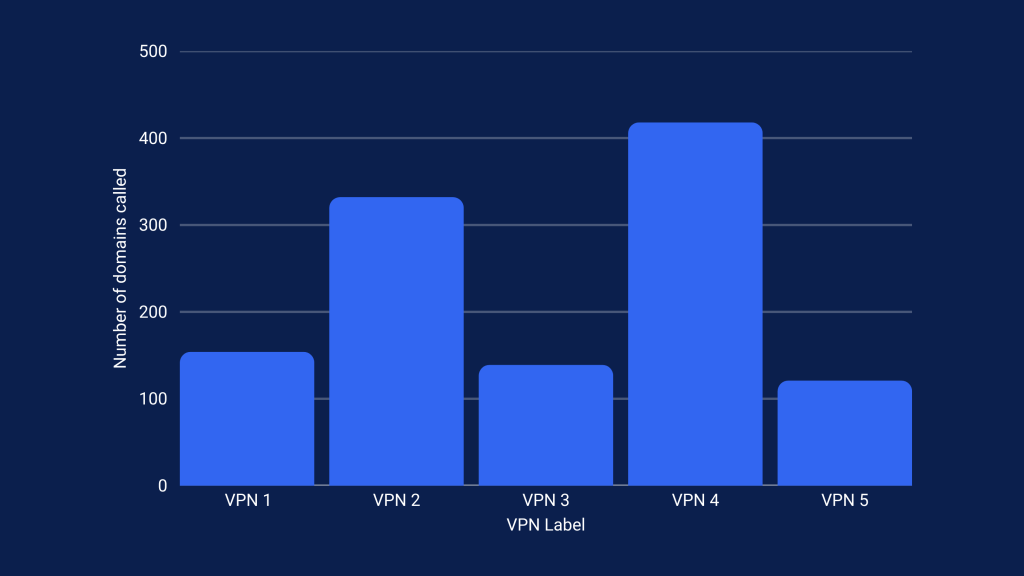
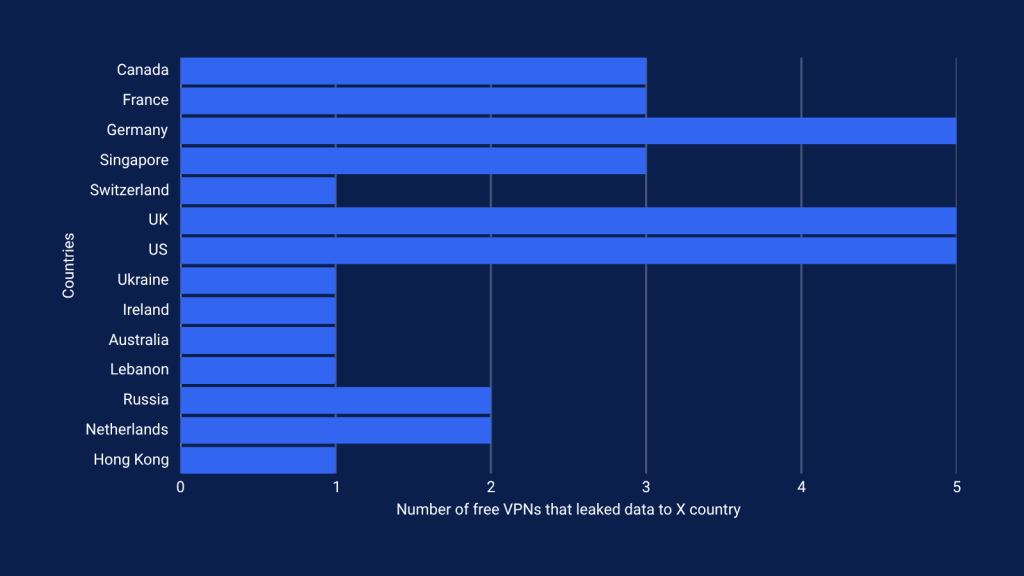
Within just one minute of opening the apps, BLOKK detected more than one thousand domain requests, including advertising networks, tracking services and servers in 14 countries.
These results raise an important question. Are free VPNs really safe, or do they put user privacy at risk from the start?
How the Test Was Conducted
The investigation focused on the first five apps that appeared when searching for “free VPN” on the Google Play Store. All tests were performed on a Google Pixel 13 device.
BLOKK’s Privacy Shield remained active in the background throughout testing to capture and record the domains and IP addresses the apps attempted to contact.
The testing process followed these steps:
- Each app’s onboarding process was completed and terms were accepted
- The VPN itself was never turned on manually
- If an app connected automatically it was immediately disconnected to keep BLOKK active
- Each app was explored for around one minute before checking BLOKK’s activity log to see which domains had been contacted
Key Findings
- 1,164 domains were contacted within the first minute of opening the apps
- 14 countries received data, including the United States, United Kingdom, Germany, Russia and Hong Kong
- One VPN attempted to contact more than 400 domains in just 60 seconds
- A suspicious domain called tiny.one appeared in several apps and was contacted more than 100 times
- Tracking and advertising networks were active before the VPN connection was enabled
The domain tiny.one, which presents itself as a URL shortening service, appeared across multiple apps. In one test it was contacted 112 times within the first minute. Services like this can hide the true destination of a link and are sometimes used for tracking or phishing.
The fact that a VPN app reached out to such a domain before any protection was activated raises serious questions about what data might be leaving the device, especially when the VPN is actually engaged.
Expert Insight
“VPN downloads in the UK rose nearly 3,000 percent after the child online safety act, with similar surges in the US. Many are turning to free VPNs, but our results show these services can expose people to even greater risks. Everyone knows nothing is truly free, yet with VPNs it is people’s data that pays the price.”
— Archie Crossland, Head of Product and Growth at BLOKK
What This Means for User
Free VPNs are often the first option for people who want to stay private online. They dominate app store charts and promote themselves as safe and secure.
Our findings show that many of these apps are not safe at all. Before users even activate a connection, they are already contacting ad networks, trackers and servers in multiple countries.
Instead of offering privacy, some free VPNs may be collecting user data to generate revenue through advertising or analytics.
Connections traced to countries such as Russia, Hong Kong and Ukraine raise further concerns about surveillance and potential misuse of personal information.
This investigation exposes a clear trust problem in the VPN industry. If the most visible free VPNs leak information before they are even used, it becomes difficult for users to know which services can be trusted with their data.
Conclusion: The Truth Behind Free VPNs
So, are free VPNs safe?
Our research shows that many are not. While they claim to protect user privacy, they can actually compromise it before a secure connection is established.
The truth is simple. When a VPN is free, the user’s data often becomes the payment. Free VPNs rely on advertising networks, trackers and background connections to make money, putting user information at risk.
At BLOKK, our goal is to uncover these hidden risks and help users make informed decisions about their digital security. We will continue to publish independent research to increase transparency across the privacy and VPN industry.


